Transform Your Dog's Obedience Through Engaging and Enjoyable Dog Training Approaches
Dog training can usually seem like a chore for both the pet and the owner. Nevertheless, incorporating enjoyable and interesting techniques can change the experience. Recognizing a dog's one-of-a-kind learning style is essential. This approach not only makes obedience training pleasurable yet likewise strengthens the bond between the dog and owner. As we check out numerous methods, it ends up being clear that a change in point of view might bring about unexpected results. What methods will prove most effective?
:strip_icc()/here-you-go-human--you-can-have-my-paw-912145654-35ddb8b11c8b4b638dc83e5bb2a013fe.jpg)
Recognizing Your Dog's Understanding Style
Understanding a dog's learning style is important for reliable training, as each dog may respond in a different way to different approaches. Some dogs are aesthetic students, growing on motions and demos. Others are acoustic students, responding best to spoken commands and cues. Kinesthetic learners, on the other hand, favor hands-on experiences, requiring physical communication or tactile assistance during training. Identifying a dog's special design can considerably enhance communication and understanding in between the dog and instructor. Additionally, ecological elements, such as distractions or convenience levels, can influence a dog's capacity to discover. Customizing training strategies to match private learning designs promotes a more productive training environment, eventually leading to improved obedience and a more powerful bond between the dog and its proprietor.
Including Play Into Training Sessions
Integrating play into training sessions offers various advantages, enhancing both the discovering experience and the bond in between dog and owner. Taking part in enjoyable video games not only makes training pleasurable but additionally strengthens necessary skills in a favorable way. This technique can result in enhanced focus and inspiration, making it a valuable method for reliable dog training.
Advantages of Spirited Training
While many dog proprietors might focus exclusively on obedience and discipline throughout training sessions, the assimilation of play can substantially improve the learning experience for both the dog and the instructor. Playful training cultivates a favorable ambience, making pet dogs more passionate to learn and take part. This approach lowers stress and anxiety and anxiety, permitting canines to absorb commands extra efficiently. Integrating play additionally enhances the bond in between the dog and owner, developing a relying on relationship that boosts interaction. Engaging in spirited activities can improve a dog's emphasis and retention of brand-new abilities, as they connect training with fun instead than a duty. Ultimately, playful training brings about an extra responsive and inspired canine friend, benefiting both celebrations included.
Fun Games for Discovering
A selection of engaging games can significantly boost the performance of dog training sessions. Incorporating play into training not only increases a dog's motivation but also strengthens the bond in between the dog and trainer. Gamings like "Conceal and Look For" motivate dogs to use their analytical abilities while reinforcing commands such as "stay" and "come." Interactive bring can be adapted to include obedience jobs, making the game both fun and instructional. Barrier courses challenge physical agility and psychological emphasis, permitting pet dogs to find out commands in a vibrant atmosphere. By making training delightful, pet dogs are more probable to keep new abilities and react favorably to commands, ultimately bring about enhanced obedience and a better training experience for both dog and proprietor.
Using Positive Support Efficiently
Making use of positive reinforcement efficiently entails a calculated application of reward-based training techniques. Timing and consistency are essential components that enhance learning and promote preferable actions. Furthermore, building count on via support promotes a stronger bond in between the instructor and the dog, making the training procedure much more effective.
Reward-Based Training Techniques
Favorable support has actually emerged as one of one of the most effective techniques for training pet dogs, as it encourages wanted actions via benefits as opposed to punishment. Reward-based training methods take advantage of this principle by utilizing deals with, appreciation, or play as motivations permanently actions. Fitness instructors often suggest identifying what motivates the dog, whether it be food, toys, or love, tailoring rewards to specific preferences. This technique promotes a favorable learning setting, improving the bond in between the dog and instructor (30A Dog Training). Furthermore, reward-based techniques can be put on various commands and behaviors, making them functional in training sessions. By constantly fulfilling wanted activities, pet dogs discover to link those habits with positive results, causing improved obedience and total wellness
Timing and Consistency Matters
Efficient training rests on the specific timing and uniformity of benefits. When a dog does a preferred actions, instant reinforcement strengthens the link between the incentive and the action. Postponed rewards can perplex the dog, causing misunderstandings regarding what actions is being compensated. Uniformity in applying benefits is just as essential; making use of the same signs and timing builds a clear understanding for the dog. Irregular support may result in aggravation or a lack of motivation, as the dog battles to understand expectations. By preserving a stable technique, instructors can improve learning and urge positive habits. Inevitably, efficient timing and consistency in making use of favorable reinforcement produce a strong structure for successful dog training end results.
Structure Count On Via Support
Establishing a solid bond between a dog and its fitness Get the facts instructor is important for successful training results, and positive support plays an essential function in this procedure. This method focuses on rewarding desired habits, which motivates dogs to repeat those actions. Freeport Florida Dog Trainer. Incentives can consist of deals with, praise, or play, making the experience satisfying for the dog. By regularly using positive reinforcement, trainers can cultivate count on and reinforce their relationship with the dog. This depend on results in raised receptiveness during training sessions, as the dog really feels safe and secure and valued. Additionally, favorable reinforcement decreases fear-based feedbacks, promoting a healthy and balanced learning environment. Eventually, reliable use positive support not just improves obedience however also nurtures a long-term bond between the dog and its trainer
Innovative Games to Improve Obedience
Several dog proprietors look for ingenious methods to enhance obedience while maintaining training sessions involving and fun. Imaginative video games serve as a reliable approach to achieve this balance. One preferred game is "Seek and conceal," where proprietors hide and call their dogs, urging recall commands. Another interesting option is "Simon Says," which strengthens commands like sit, stay, and put down in a lively way. Incorporating fetch with commands can additionally improve obedience; tossing a toy while instructing you could check here the dog to "drop it" promotes both play and technique. Dexterity programs offer one more dynamic strategy, combining physical activity with obedience training. These video games not just reinforce the bond in between pets and their proprietors however also make discovering delightful for both celebrations.
Socializing as a Training Device
Participating in innovative games not only reinforces obedience yet also provides an opportunity for pets to create vital social skills. Socializing offers as an important training device, allowing canines to connect with numerous atmospheres, people, and other pets. With structured playdates and group training sessions, pets learn to navigate social dynamics, decreasing anxiety and aggressiveness. Positive experiences throughout these interactions promote self-confidence, motivating dogs to respond appropriately in varied scenarios. Exposure to various stimulations assists mitigate terror and advertises flexibility, vital traits for mannerly family pets. Incorporating socialization right into training routines enhances the total learning experience, guaranteeing that pet dogs are not just loyal but also well-adjusted companions. This all natural strategy inevitably leads to a more unified relationship between pet dogs and their proprietors.
Setting Reasonable Goals for Success
How can dog owners guarantee reliable training outcomes? By establishing practical goals for success, they produce a clear roadmap for their training trip. Developing obtainable objectives helps proprietors maintain inspiration and measure progression. For copyrightple, instead of aiming for a flawlessly obedient dog today, they may concentrate on mastering one command at once. This step-by-step strategy cultivates a favorable learning environment, reducing frustration for both the dog and owner. Additionally, recognizing private differences read this post here in pet dogs' learning paces permits individualized training methods. Commemorating tiny triumphes, such as a successful rest or stay, reinforces self-confidence and encourages additional learning. Ultimately, sensible goals assure that dog training stays a delightful and fulfilling experience for everybody included.
Regularly Asked Concerns
Exactly how Lengthy Does It Usually Take to See Arise From Educating?
Generally, results from dog training can be observed within a couple of weeks, depending upon the dog's age, character, and consistency of method. Devoted, routine sessions often increase the discovering procedure and strengthen obedience.
What Age Is Finest to Start Educating My Dog?
The most effective age to begin educating a dog is around 8 weeks old. Early training assists develop good practices and socialization, making it easier for canines to adjust and discover as they grow.
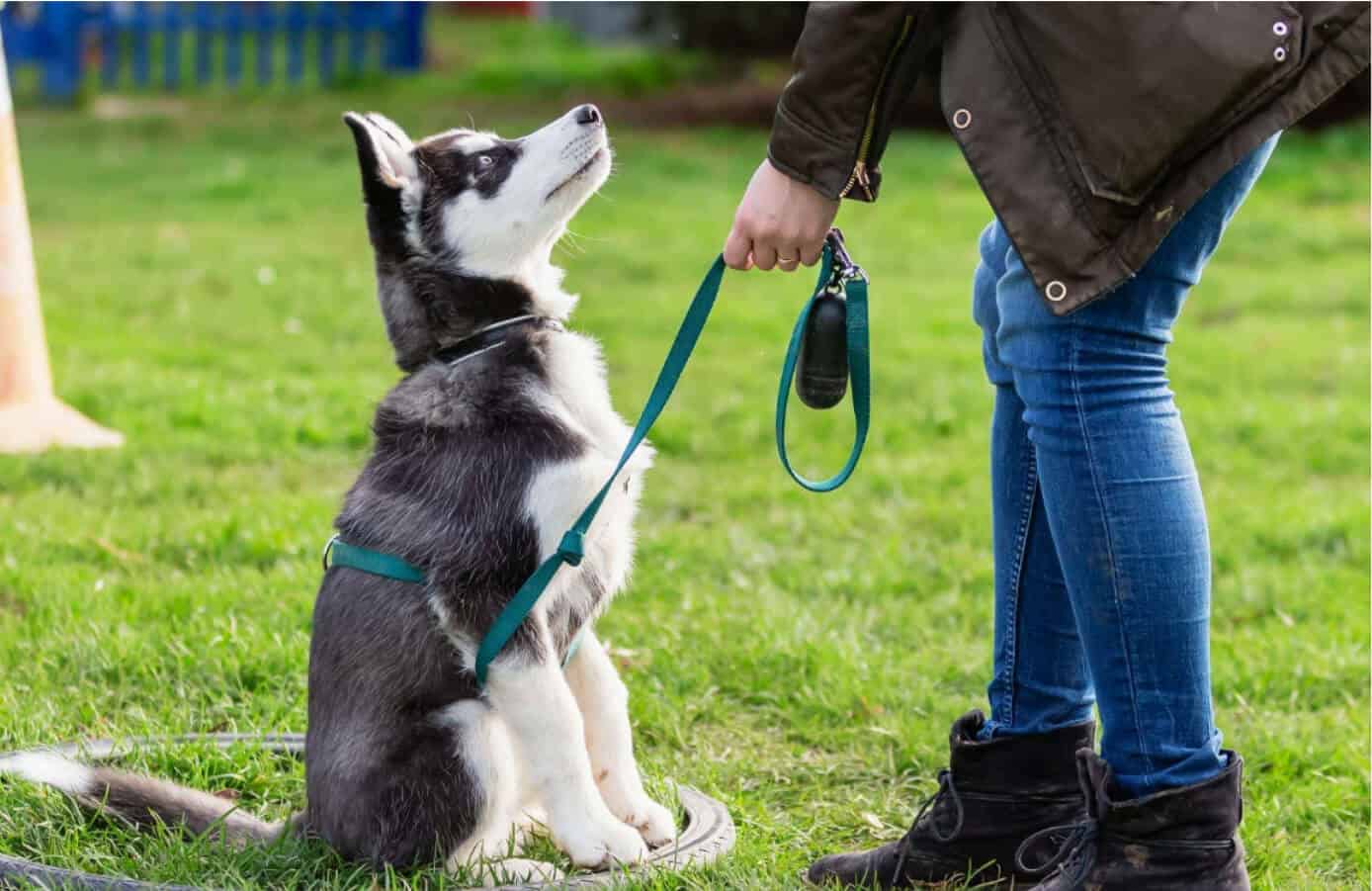
Can Older Pet Dogs Discover New Commands Successfully?
Yes, older pet dogs can discover brand-new commands effectively. With patience, consistency, and favorable support, they can acquire new abilities. Their life experience often aids in understanding commands, making training sessions compensating for both the dog and owner.
Just how Do I Deal With Disturbances During Educating Sessions?
To manage interruptions during training sessions, one should begin in a silent environment, slowly present disturbances, utilize high-value rewards for focus, and stay patient, encouraging the dog to stay involved with constant practice and favorable support.
Suppose My Dog Doesn't React To Incentives?
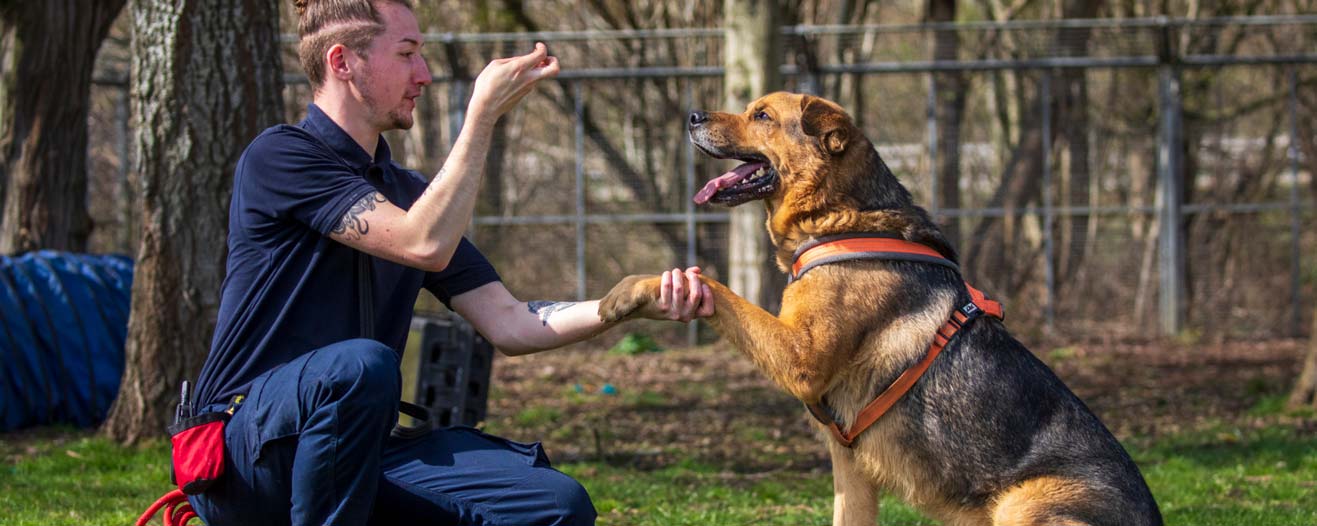
Identifying a dog's one-of-a-kind design can substantially improve communication and understanding between the dog and instructor. While many dog owners might focus solely on obedience and technique during training sessions, the combination of play can significantly improve the learning experience for both the instructor and the dog. Incorporating play into training not just boosts a dog's inspiration however also strengthens the bond between the dog and fitness instructor. Positive support has actually arised as one of the most reliable techniques for training pets, as it motivates wanted behaviors with rewards rather than penalty. Usually, results from dog training can be observed within a couple of weeks, depending on the dog's age, personality, and consistency of technique.